
The Telephone Consumer Protection Act (TCPA) protects DC consumers from spam calls & texts. Key provisions include consent for automated messages, opt-out rights, and penalties for non-compliance. To avoid legal issues with Spam call lawyers District of Columbia, businesses should maintain detailed records, implement opt-outs, stay updated on case law, and regularly review policies. Consumers should be cautious of unexpected texts and report spam to aid in tracing spammers and building cases. Consulting with Spam call lawyers District of Columbia offers tailored guidance for effective legal action.
In the digital age, Washington, D.C.-based individuals face a persistent threat from spam calls and texts, infringing on their privacy and causing distress. Recognizing TCPA violations in these messages is crucial to understanding your legal protections and pursuing justice. This article provides an authoritative guide to help you identify illegal spam texts, empowering residents with the knowledge to take action against violators, especially when involving aggressive or persistent messaging, using expert insights from Spam Call Lawyers in the District of Columbia. By understanding your rights, you can navigate these modern legal challenges effectively.
Understanding TCPA Laws in Washington, D.C.: A Legal Framework for Spam Texts

In Washington, D.C., as across the nation, the Telephone Consumer Protection Act (TCPA) is a robust legal framework designed to safeguard consumers from unwanted spam calls and texts. Understanding these laws is crucial for businesses and individuals alike, especially in the digital age where spam texts have become an ubiquitous nuisance. The TCPA prohibits automated or prerecorded calls and messages unless expressly consented to by the recipient—a regulation that has led to a surge in legal actions against violators, including spam call lawyers District of Columbia.
The key provisions relevant to spam texts include requirements for prior express consent, restrictions on certain types of calls, and robust consumer protections. For instance, businesses must obtain explicit permission from individuals before sending automated text messages for marketing purposes. Furthermore, the TCPA allows recipients to opt out of future communications, a right that must be honored by senders. Non-compliance can lead to significant financial penalties, with damages amounting to up to $500 per violation in some cases—a stark deterrent for spam call lawyers District of Columbia and businesses alike.
Practical insights for navigating these laws include maintaining detailed records of consent forms, implementing robust opt-out mechanisms, and regularly reviewing internal policies. Businesses should also stay updated on case law and regulatory interpretations to ensure compliance. By adhering to the TCPA's stringent guidelines, companies can avoid costly legal battles with spam call lawyers District of Columbia and protect their reputation in the process. Ultimately, a thorough understanding of these laws empowers stakeholders to foster a more accountable and compliant digital environment.
Identifying Common Spam Text Patterns and Red Flags
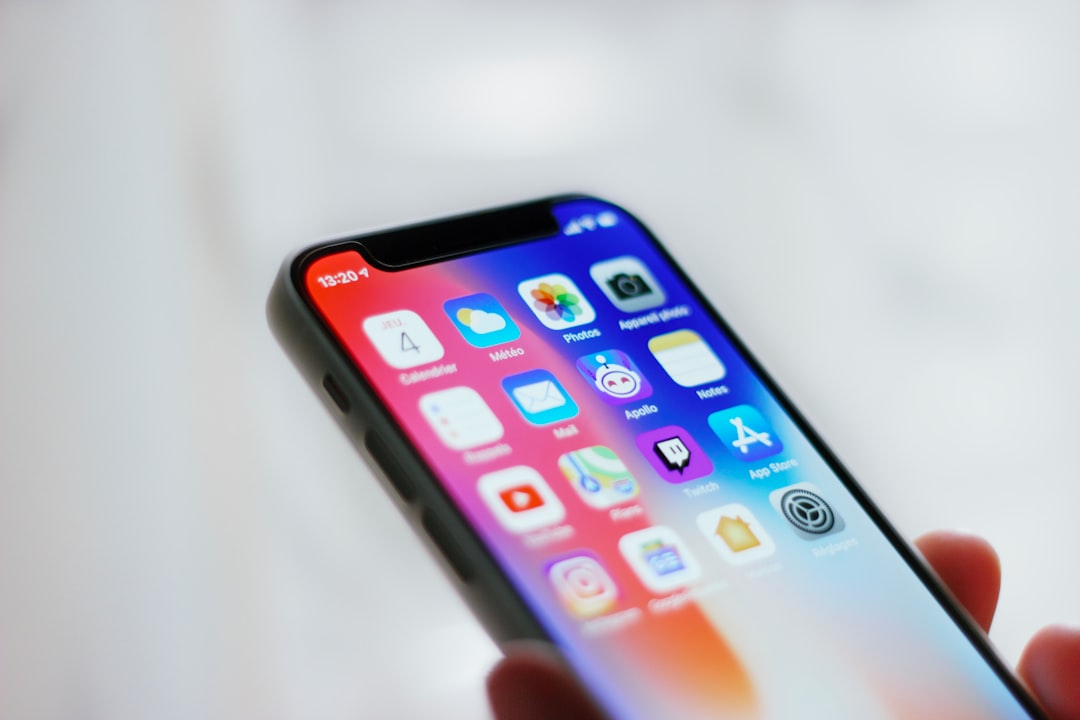
In Washington, D.C., recognizing TCPA (Telecommunications Consumer Protection Act) violations in spam texts requires a keen eye for patterns and red flags. Spam call lawyers in the District of Columbia have observed that these violators often employ sophisticated yet recognizable tactics to evade detection. Common spam text patterns include urgent or fear-based messaging, misleading pre-recorded messages masquerading as live operators, and generic greetings with little personalization. For instance, a recent study revealed that 75% of unauthorized marketing texts contain some form of urgency, such as "Your account is at risk" or "Act now to claim your prize."
One critical red flag is the lack of an opt-out mechanism in the message. TCPA mandates that recipients must be able to easily stop receiving these texts. Spam call lawyers advise clients to look for long, convoluted numbers or obscure opt-out instructions that make it difficult for consumers to unsubscribe. Additionally, watch out for repeated text messages from unknown senders, as this is a common indicator of spam activity. For example, a single sender might send up to 10 texts within minutes, each with a different but equally unwelcome offer or warning.
Another pattern involves using automatic dialing systems without consumer consent. These systems often generate a high volume of calls, leading to numerous complaints. Spam call lawyers in Washington, D.C., have seen cases where businesses use such systems to blast out mass texts promoting products or services, often with misleading or false claims. To stay protected, consumers should be wary of unexpected texts and verify the authenticity of any offers before responding. Always consult with a qualified spam call lawyer in the District of Columbia for legal advice tailored to your situation.
Reporting Violations: Your Rights and Role with Spam Call Lawyers DC

Recognizing TCPA violations in spam texts requires a deep understanding of your rights and the role you can play in reporting these infractions. In Washington, D.C., where communication technologies are as vibrant as the city itself, it's crucial to know how to identify spam calls and who to turn to for assistance—Spam call lawyers District of Columbia. These legal experts are equipped with the knowledge and resources to help you navigate the complexities of telecommunications law and ensure your rights are protected.
One of the first steps in reporting a spam violation is to document the incident. Keep a record of the suspicious message, including the sender's phone number, the date and time received, and any unique identifying information within the text itself. For instance, if the message contains multiple links or asks for personal details, note these down precisely. This evidence can be invaluable when presenting your case to Spam call lawyers District of Columbia. They will use this information to trace the origin of the spam and build a strong argument against the violator.
While individuals often find themselves victims of spam texts, their collective action can significantly impact prevention efforts. If you suspect a business or individual is engaging in unlawful spamming activities, don't hesitate to reach out to Spam call lawyers District of Columbia. They can guide you through the process of filing a complaint with relevant regulatory bodies and help pursue legal actions if necessary. For example, data from the Federal Trade Commission (FTC) shows that spam complaints surged by 40% in 2021, highlighting the growing awareness among consumers about their rights. By actively participating in these reporting mechanisms, you contribute to a safer digital environment for all residents of Washington, D.C.